 Hebei Jiacheng Fiberglass Products Co., Ltd
全站搜索
Search the entire website
整站搜索产品中心新闻中心
点击开始搜索
热门搜索
玻纤纱系列网格布系列产品无捻粗纱三防布系列破斜纹鱼竿布其他玻纤制品
Search the entire website
Professional escort, your trusted choice
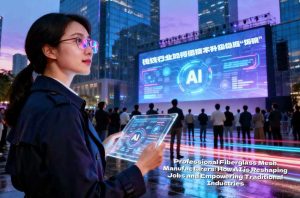
Discover how China fiberglass mesh suppliers are using smart manufacturing and green technology to cut emissions, boost efficiency, and shape a sustainable future in the glass fiber industry.
As manufacturing goes digital, traditional industries face a critical window for transformation.
As a key pillar in advanced materials, the glass fiber industry is reshaping its future by integrating digital tools with green manufacturing.
From smart furnace control to end-to-end quality tracking, fiberglass mesh manufacturers are adopting flexible production and digital supply chains.
These technologies are now the main drivers of high-quality growth.
Stricter environmental rules and fiercer market competition have exposed the limits of traditional production.
Many fiberglass mesh producers struggle with:
These challenges push the industry to find smarter, cleaner, and more agile solutions.
Leading fiberglass mesh suppliers are building a “cloud + chain + end” smart system.
This transforms every stage of production:
Case in point: A mesh brand in Jiangsu cut energy use by 23% and raised efficiency by 18% through digital upgrades.
The result? A better balance between cost, quality, and environmental performance.
With carbon peak and neutrality goals in sight, digital and green strategies now work together.
Key innovations include:
Industry leaders are moving beyond single-point smart upgrades.
They are building connected ecosystems that benefit the entire value chain.
As 5G, AI, and blockchain enter the glass fiber sector, new opportunities are emerging:
The glass fiber mesh industry is entering a new phase—one driven by digital innovation and environmental responsibility.
For China fiberglass mesh suppliers, this shift is more than an upgrade.
It is a chance to lead in the global push toward sustainable manufacturing.
This article explores the progress of cooperation between China and SCO countries in infrastructure, green building, and education. It analyzes new opportunities for the fiberglass industry and fiberglass mesh manufacturers, covering keywords such...
查看全文
H1 2025 China Economic Report shows strong resilience! Explore domestic demand, new growth engines & robust trade. See how fiberglass mesh manufacturers leverage innovation & export opportunities. #ChinaEconomy #BuildingMaterials
查看全文