 Hebei Jiacheng Fiberglass Products Co., Ltd
全站搜索
Search the entire website
整站搜索产品中心新闻中心
点击开始搜索
热门搜索
玻纤纱系列网格布系列产品无捻粗纱三防布系列破斜纹鱼竿布其他玻纤制品
Search the entire website
Professional escort, your trusted choice
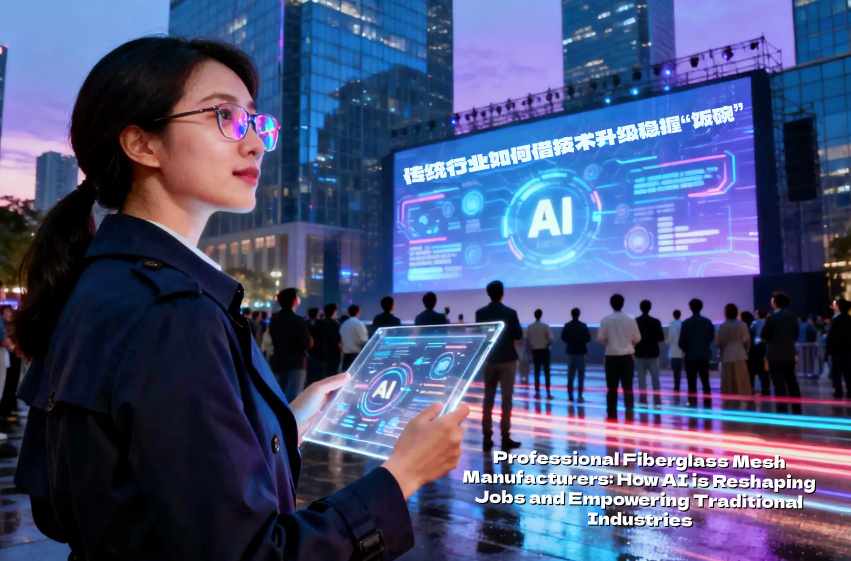
Professional fiberglass mesh manufacturers, like many in traditional sectors, are navigating the rise of artificial intelligence. AI is reshaping work—not just replacing it. It brings new opportunities for those ready to adapt.
The rapid advancement of artificial intelligence (AI) has sparked concerns among many workers about job security. However, history shows that technological revolutions, from steam engines to assembly lines, ultimately create more new professions and opportunities. While AI may automate some standardized tasks, it primarily drives the transformation of employment structures towards higher quality. It also stimulates new forms of work. In China, over 70 new professions emerged during the “14th Five-Year-Year Plan” period. Many are in digital and intelligent fields. In 2025, 12.67 million new urban jobs were created. Strong employment growth has been sustained for five consecutive years. This proves technological change activates new employment momentum. For workers, proactive skill development is key. Adapting to human-machine collaboration models is essential. Society must also enhance vocational training and social security systems to support this transition.
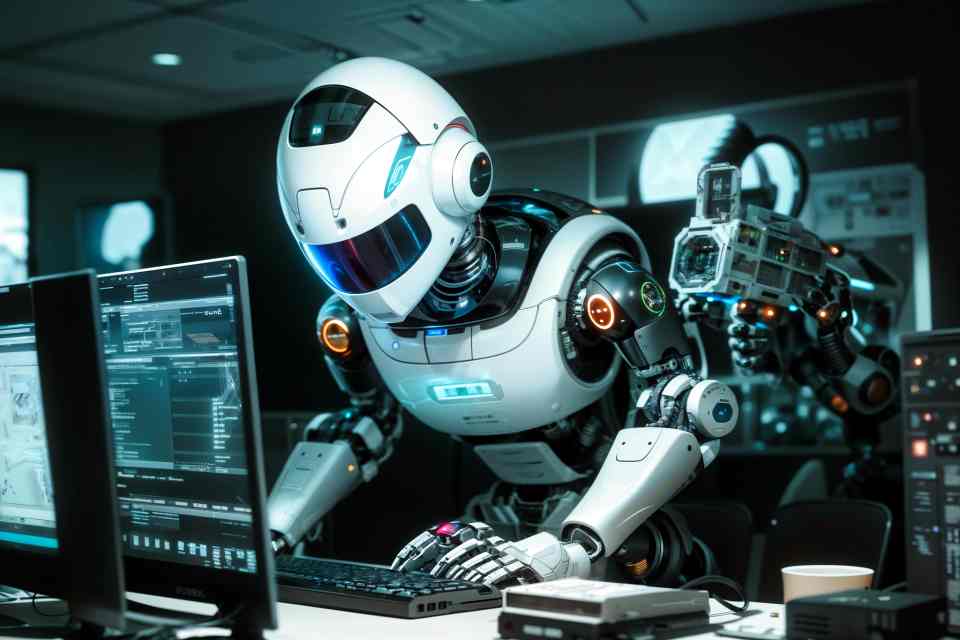
How AI is Reshaping Employment in Traditional Sectors
Technological shifts often create more jobs than they displace. The fiberglass industry is no exception. AI automates routine tasks, but it also opens roles in monitoring, maintenance, and data analysis.
Forward-thinking fiberglass mesh producers are integrating AI-driven systems. These improve quality control and production efficiency. This shift supports sustainable growth and job stability within the sector.
New Skills for a New Era: Training in the Fiberglass Industry
As fiberglass mesh manufacturers modernize, workers gain opportunities in tech-enhanced positions. Upskilling ensures the workforce stays relevant and competitive.
Government initiatives encourage AI adoption in manufacturing. Fiberglass industry players who collaborate with tech partners can lead in innovation and employment.
For fiberglass mesh manufacturers, AI is a tool for evolution—not elimination. By investing in people and technology, the industry can secure a productive future.