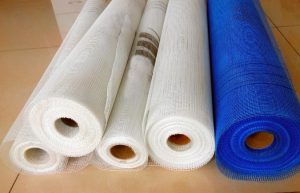
Specialty Glass Fiber Grid Cloth: Avoid 10 Digital Transformation Pitfalls
Specialty Glass Fiber Grid Cloth: A Guide to Avoiding 10 Digital Transformation Pitfalls for Manufacturers
Digital transformation for fiberglass enterprises is like navigating a minefield. Manufacturers of specialty glass fiber grid cloth know this well. Without the right approach, failure is common. Why do the same systems yield different results? Based on real-world experience, here are the key internal and external challenges in digital transformation for the glass fiber yarn industry.
Part 1: External Pitfalls – The Vendor Illusion
- The “PPT Best Practice” Trap
Software vendors often showcase “industry benchmark cases” only in presentations. The actual results can be tangled like glass fiber yarn. After signing, promises vanish and roles reverse.
- The “One-Size-Fits-All” Scam
Some vendors claim to fix everything, even optimizing fiberglass mesh production flow. Your business becomes a testing ground. Yet, they blame failures on your management.
- Shrinking Pre-Sales Promises
Expert teams only appear at kick-off meetings. Implementation is handled by juniors. Core features like data governance for specialty glass fiber grid cloth production fail. This leads to disputes during acceptance.
- The Low-Bid Fallout
Choosing the cheapest vendor to cut costs? Hidden future costs, like grid cloth equipment retrofit, will hurt profits. Poor system compatibility can cause costly production halts.
- Slow Post-Sale Support
Fault reports go unanswered. For specialty glass fiber grid cloth lines, one hour of smart monitor downtime can mean huge losses. Shrinking support teams are a common industry issue.
Part 2: Internal Pitfalls – Self-Sabotage
- Strategic Misunderstanding
Believing new hardware alone brings full smart production is wrong. Ignoring data governance leads to poor ROI on huge investments.
- Chaotic, Uncoordinated Development
Production departments build systems without IT. This splits grid cloth warehouse and financial data. It wastes millions on duplicate systems.
- The Cost-Cutting Consequence
Slashing budgets for key modules, like direct roving production management, backfires. A stripped-down system can cause a 15% yield drop. Saving small money loses big money.
- Departmental Silos
Inconsistent data standards between tech and fiberglass mesh workshop teams make MES systems useless. This is the real reason 80% of digital projects fail.
Part 3: The Solution – A Digital Survival Guide
- Anchor Strategy to Pain Points
Focus pilots on specific goals, like improving grid cloth yield rate. Avoid overly broad projects.
- Fuse Business & IT
Direct roving process experts must lead system design. Avoid tech-only solutions.
- Vet Vendors Rigorously
Inspect real smart factory cases for glass fiber yarn. Bind delivery standards in contracts.
- Drive Change with Data
Build a full lifecycle data pool for fiberglass mesh. Use algorithms to optimize energy use and cost.
For grid cloth manufacturers, digital transformation is not just about new software. It requires full data integration across the specialty glass fiber grid cloth production chain. The goal is to shift from manual control to data-driven management. Avoid these nine deep pitfalls. Transform the physical strength of direct roving into digital resilience for your business growth.
 Hebei Jiacheng Fiberglass Products Co., Ltd