 Hebei Jiacheng Fiberglass Products Co., Ltd
全站搜索
Search the entire website
整站搜索产品中心新闻中心
点击开始搜索
热门搜索
玻纤纱系列网格布系列产品无捻粗纱三防布系列破斜纹鱼竿布其他玻纤制品
Search the entire website
Professional escort, your trusted choice
Mesh Cloth & Fiberglass: China’s Foreign Trade Strategy Unleashes New Opportunities
Government policies are providing crucial support. Chinese foreign trade has shown resilience, with a 2.4% increase in total import and export value from January to April. To address challenges like order reductions, the state is implementing targeted measures. These include faster export tax rebates and optimized cross-border logistics.
For instance, fiberglass yarn producers benefit from quicker rebates, boosting cash flow. Manufacturers of roving yarn are gaining access to low-interest loans. This helps them manage raw material cost pressures.
In Shandong and Jiangsu, mesh cloth factories are upgrading technology. They are capturing emerging markets in Southeast Asia and the Middle East with cost-effective products.
Local governments are organizing trade delegations. Programs like “Yue Trade Global” facilitate market entry through overseas exhibitions and B2B matching.
A Zhejiang-based fiberglass yarn producer secured over $10 million in orders at a Middle East building materials exhibition. Their 300-500# roving and alkali-resistant mesh cloth were highly praised for stable performance.
As a core material for composites, fiberglass yarn demand is surging globally. It’s essential for new energy vehicles and wind turbine blades. A leading Guangdong company uses an “overseas warehouse + localized service” model. This strategy integrates their products directly into European and American supply chains, increasing orders by 40%.
Cross-border e-commerce and overseas warehousing are creating new pathways. Data shows a 9.6% growth in cross-border e-commerce imports and exports in the first four months of 2025.
High-value products like fiberglass mesh cloth are sold directly to consumers via independent sites and social media like TikTok. This approach can increase profit margins by up to 15% compared to traditional trade.
Industry leaders are also pivoting from contract manufacturing to building their own brands. One renowned mesh cloth maker highlights “alkali-resistant” features as a key selling point. They are a top-seller on Amazon Europe. Other companies use RCEP tariff benefits to expand deeply into ASEAN infrastructure markets.
China’s stable trade growth relies on a responsive supply chain. Facing international logistics challenges, fiberglass clusters in Shandong and Hebei use digital supply chain platforms. These platforms coordinate everything from raw material procurement to overseas warehouse delivery, cutting delivery times by 30%.
Furthermore, China is deepening RCEP cooperation and promoting economic zones with ASEAN. Leveraging these free trade agreements, domestic mesh cloth manufacturers can now export to markets like Vietnam and Indonesia with zero tariffs. This strengthens their global share in building reinforcement materials.
Navigating global trade changes, China uses a policy, market, and technology toolkit. This strategy powers high-potential sectors like fiberglass. Looking ahead, opportunities in new yarn applications and branded mesh cloth will drive the industry toward premium and global growth, writing a new chapter for “Made in China.”
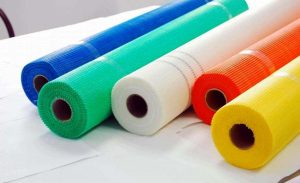

The WTO predicts AI will increase global trade by 34% by 2040. Here’s how fiberglass mesh suppliers can prepare and profit.
查看全文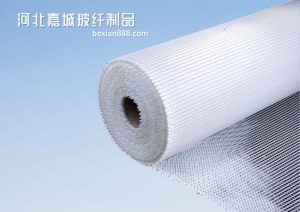

This article explores the progress of cooperation between China and SCO countries in infrastructure, green building, and education. It analyzes new opportunities for the fiberglass industry and fiberglass mesh manufacturers, covering keywords such...
查看全文