 Hebei Jiacheng Fiberglass Products Co., Ltd
全站搜索
Search the entire website
整站搜索产品中心新闻中心
点击开始搜索
热门搜索
玻纤纱系列网格布系列产品无捻粗纱三防布系列破斜纹鱼竿布其他玻纤制品
Search the entire website
Professional escort, your trusted choice
Amid a fluctuating global trade environment, China foreign trade has delivered impressive results. From January to October, the total import and export value grew by 2.7% year-on-year. Exports saw a strong increase of 7.8%. This achievement stems from precise policy support and the resilient upgrade of China’s manufacturing sector. As a key link in the foreign trade chain, the glass fiber industry is leveraging this policy mix to integrate into the global market. It injects new momentum into foreign trade growth.
China is advancing “institutional opening-up.” Restrictions on foreign investment access in manufacturing are being gradually lifted. This provides more space for quality fiberglass mesh producers and glass fiber companies. The recent “Free Trade Pilot Zone Upgrade Strategy” is now implemented. 22 FTZs, covering less than 0.4% of China’s land, contribute nearly one-fifth of national foreign trade. For example, FTZs in Shandong and Jiangsu directly benefit high-strength fiberglass mesh suppliers. Their export orders have surged by over 30%. Cross-border E-commerce Pilot Zones have expanded to Hainan and Qinhuangdao. They create new digital channels for eco-friendly glass fiber yarn manufacturers. This further reduces cross-border trade costs.
Facing overseas market volatility, China’s massive domestic demand acts as a “safe harbor” for foreign trade firms. The Ministry of Commerce’s “Foreign Trade Premium Products China Tour” helps building material companies connect with domestic buyers. For instance, fiberglass mesh manufacturers quickly shifted to domestic sales via JD.com and Meituan. They secured over 100 million yuan in orders within a month. This model eases external demand pressure. It also fosters a new “dual circulation” ecosystem through resource integration. Data shows a significant export increase of glass fiber products to ASEAN and Belt and Road countries in April. This confirms the success of market diversification.
Cross-border e-commerce is becoming a new engine for foreign trade growth. Take fiberglass mesh as an example. Its corrosion resistance and high strength are favored in overseas construction markets. In 2023, China’s cross-border e-commerce import-export value exceeded 2.6 trillion yuan. This is a 10.8% year-on-year increase. 15 new Cross-border E-commerce Pilot Zones were added. They provide brand incubation and digital marketing support for building materials like mesh. A Shenzhen-based mesh exporter used exhibition subsidy policies. They received up to 600,000 yuan in subsidies for a single event. This directly boosted their market share in Europe and America by 15%. This dual empowerment of “policy + platform” accelerates the industry chain’s global layout.
Local policies are reducing costs for businesses. Examples include free storage services at Suzhou Port and export credit insurance in Shenzhen. A Dongguan-based glass fiber company used foreign trade and economic development funds. They successfully developed low-carbon production tech. Their product premium ability increased by 20%. The National Bureau of Statistics notes China’s foreign trade resilience comes from its complete industrial system and policy support. With deepening RCEP cooperation and Belt and Road infrastructure demand, mesh manufacturers and the glass fiber industry chain are poised for new growth.
From opening-up to domestic demand activation, from e-commerce to policy support, China foreign trade is building a high-quality development pattern. For segments like fiberglass mesh and glass fiber yarn, seizing policy dividends and digital transformation is key to winning globally. As more reforms take effect, China’s manufacturing will write a higher-quality foreign trade chapter.

本文深度解析中国经济如何顶住内外压力,揭秘多元化布局、产业链韧性及政策创新,并探讨玻纤网格布、玻璃纤维纱等材料在基建升级中的关键作用,展现中国制造硬实力。未来,唯有持续创新、深化内需、夯实制造根基,方能在风浪中行稳致远。
查看全文
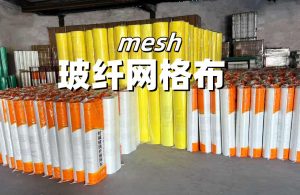
深度剖析玻纤网格布百亿蓝海市场!揭示2030年建筑节能、新能源汽车、航空航天领域爆发机遇,解析耐碱高强网格布、无捻粗纱基材技术趋势,助力网格布厂家把握中西部增量与“一带一路”出海红利。
查看全文