 Hebei Jiacheng Fiberglass Products Co., Ltd
全站搜索
Search the entire website
整站搜索产品中心新闻中心
点击开始搜索
热门搜索
玻纤纱系列网格布系列产品无捻粗纱三防布系列破斜纹鱼竿布其他玻纤制品
Search the entire website
Professional escort, your trusted choice
Cracks. Peeling insulation. Loose tiles.
These problems often start with poor-quality fiberglass mesh.
This material stops wall cracks. It is used for interior and exterior insulation, tile backing, and roofing.
Low-grade mesh fails in months. Cement’s alkaline environment eats away the glass fibers. The wall loses support. Cracks appear.
Alkali-resistant mesh has a special coating. It stays strong in high-alkaline environments like cement.
Take Hebei Jiacheng Fiberglass Products as an example. This trusted mesh manufacturer focuses on alkali-resistant mesh.
Key features:
How to choose fiberglass mesh? Follow these three simple rules.
The common 70-160g mesh covers most jobs.
| Weight range | Best for |
|---|---|
| 70-90g | Indoor crack prevention, drywall joints |
| 120-140g | Exterior insulation finishing layers |
| 160g+ | Heavy loads, tile underlayment |
Higher weight means higher strength – and higher cost. Choose based on your needs.
For exterior walls, you must use alkali-resistant mesh. Required alkali retention rate: ≥75%.
Always ask for a test report. No report? No purchase.
Interior and exterior mesh have different needs:
Fiberglass mesh market trends are influenced by glass fiber raw material costs, energy prices, and environmental policies. Prices have fluctuated recently.
Here are current ex-factory price references:
💡 Tip: Don’t just compare unit prices. High-quality alkali-resistant mesh costs a little more upfront. But it prevents costly rework later. Total cost is often lower.
According to Hebei Jiacheng Fiberglass Products, many exterior insulation projects using their alkali-resistant mesh showed no major cracking after five years.
In contrast, projects using cheaper ordinary mesh developed large cracks within two years.
Fiberglass mesh is a small material with a big job.
Choose smart. Walls stay safe. One installation – years of peace of mind.
For more tips on selecting fiberglass mesh or to get current quotes, contact a reputable mesh manufacturer directly. See how Hebei Jiacheng Fiberglass Products ensures quality.
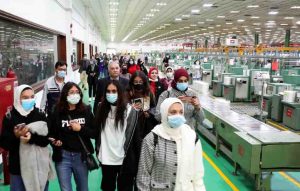


探索中俄务实合作新机遇,解析玻璃纤维纱、玻纤网格布在基建领域的战略价值。了解优质网格布厂家如何借力政策协同与产业链创新,开拓俄罗斯及全球市场,助力高质量发展。
查看全文