 Hebei Jiacheng Fiberglass Products Co., Ltd
全站搜索
Search the entire website
整站搜索产品中心新闻中心
点击开始搜索
热门搜索
玻纤纱系列网格布系列产品无捻粗纱三防布系列破斜纹鱼竿布其他玻纤制品
Search the entire website
Professional escort, your trusted choice
As China’s “15th Five-Year Plan” begins in 2026, the upcoming “Two Sessions” (NPC & CPPCC) will set the economic direction. Key themes like expanding domestic demand, fostering new quality productive forces, and driving green transformation are top priorities.
These national strategies create significant opportunities for the construction materials sector. In particular, they point to a bright future for manufacturers of advanced materials. The demand for alkali-resistant fiberglass mesh is set to grow as a key component in modern, energy-efficient buildings.
This material acts as a “hidden reinforcement” in construction. It ensures project durability and helps meet higher building energy efficiency standards. This article explores the key opportunities for the fiberglass mesh industry in this new economic landscape.
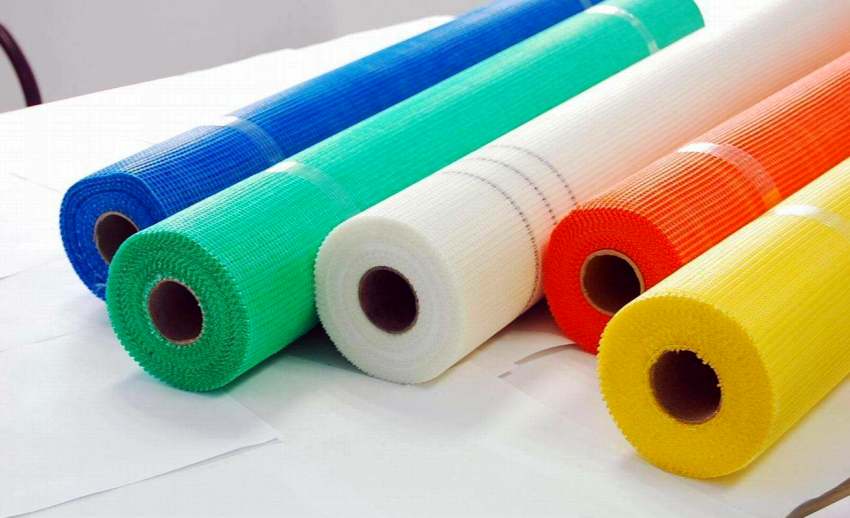
The 2026 GDP growth target is expected to be around 5%. This will be supported by a “more proactive” macroeconomic policy. A major focus will be on infrastructure construction and urban renewal projects.
For fiberglass mesh manufacturers, this presents a dual opportunity.
First, the push for more affordable housing and the renovation of “urban villages” directly increases demand for external wall insulation materials. Mesh for exterior wall insulation is critical. It prevents wall cracking and improves structural stability. As new projects break ground, demand for this product rises steadily. Industry data shows that the domestic fiberglass mesh market exceeded 6.5 billion square meters in 2025. External wall insulation mesh alone accounted for over 52% of this total.
Second, the “15th Five-Year Plan” emphasizes “investment in people.” This means higher spending on public welfare. This includes the energy-efficient renovation of old residential communities and upgrades to educational and care facilities. For these renovation projects, interior anti-crack mesh and self-adhesive mesh tape are ideal. They are easy to install and effectively solve the common problem of wall plaster cracking.
“Developing new quality productive forces” is a key theme this year. It focuses on integrating technological innovation with industrial advancement. This trend is now reshaping the traditional fiberglass products industry.
In the past, the market often focused on low prices for mesh. However, as building standards rise and needs diversify, the demand for custom alkali-resistant mesh is growing rapidly. Market research suggests this specialized segment could nearly double, reaching close to 10 billion yuan by 2030.
This means that capable alkali-resistant fiberglass mesh manufacturers must evolve. They are no longer just weavers but are becoming providers of technical solutions.
For instance, in coastal areas with high salt spray or near chemical plants, ultra-high alkali-resistant mesh (with a zirconia content of ≥16.5%) is needed. This ensures the mesh retains over 90% of its strength even in highly alkaline plaster. For prefabricated construction, manufacturers must provide pre-cut, shaped mesh components.
As policymakers suggest, the goal is to create a seamless chain “from basic research to industrial application.” Leading mesh manufacturers in key industrial clusters are now adopting automated production lines. They implement strict quality checks to eliminate substandard products, embracing this new focus on quality.
Boosting domestic demand is a central task, with green consumption being a key driver. In the construction sector, this translates to a firm commitment to “dual carbon” goals (carbon peak and neutrality).
2026 is a critical year in the journey toward carbon peak. The government will accelerate the energy transition and promote industrial green upgrades. Fiberglass mesh is the core reinforcing material in External Thermal Insulation Composite Systems (ETICS) . Its performance directly impacts a building’s long-term energy consumption. If the mesh has poor alkali resistance, the insulation layer can crack or detach. This severely compromises the building’s thermal efficiency.
Therefore, high-quality mesh is not just a material; it’s a guarantee of long-term energy savings. High-quality alkali-resistant fiberglass mesh has a high modulus of elasticity and good dimensional stability. It acts like “soft rebar,” evenly distributing stress within the insulation layer.
Amid the push for a comprehensive green transition, manufacturers who can provide products with Green Building Material Certification will have a significant competitive advantage.
The Two Sessions also highlight the role of private enterprises and the concept of the “happiness economy.” This involves creating new consumer demand by meeting emotional needs and providing memorable experiences.
In the building materials sector, this translates to the growing desire for a “better home.” This is changing the logic of the home improvement market.
Homeowners today care not just about the look of tiles and furniture but also about the quality of the underlying structure. Wall cracking is a common and frustrating post-renovation issue. This has created strong demand for high-performance joint compound mesh tape and drywall joint tape.
For example, high-quality fiberglass mesh is essential for treating joints between gypsum boards or connecting old and new walls.
Agile mesh manufacturers, often private companies, have quickly responded to this market. They have developed products specifically for the DIY and home improvement market. Self-adhesive mesh tape and easy-apply fiberglass tape are good examples. They solve the problem of keeping the mesh in place during application, opening up a new and growing market segment.
Looking at the economic trends for 2026, the convergence of new policies creates a major opportunity for the fiberglass mesh industry. The refinement of the “15th Five-Year Plan,” the construction of a new real estate model, and the push for new quality productive forces all point in one direction.
Low-quality, inefficient production capacity will be phased out. This will be accelerated by the drive for a unified national market and stricter regulations. The future belongs to mesh manufacturers who focus on excellence in core areas. This means perfecting alkali resistance, tensile strength, and weight stability.
These companies will thrive by riding the waves of building energy efficiency and urban renewal. For buyers, choosing a reliable manufacturer of alkali-resistant fiberglass mesh is a smart investment. It’s not just about buying a roll of material. It’s about ensuring the long-term quality and durability of your building project.