 Hebei Jiacheng Fiberglass Products Co., Ltd
全站搜索
Search the entire website
整站搜索产品中心新闻中心
点击开始搜索
热门搜索
玻纤纱系列网格布系列产品无捻粗纱三防布系列破斜纹鱼竿布其他玻纤制品
Search the entire website
Professional escort, your trusted choice
How to Choose Quality Fiberglass Mesh: A Complete Guide to National Standard Specifications
Fiberglass mesh is a key reinforcement material in modern construction. It is widely used for exterior wall insulation, interior plastering, floor reinforcement, and municipal projects. This guide explains what it is, its key benefits, and how to select products that meet national standard specifications for fiberglass mesh. It also offers tips for finding reliable fiberglass mesh manufacturers. Whether you are a project purchaser, a building professional, or a homeowner, this article provides practical advice.
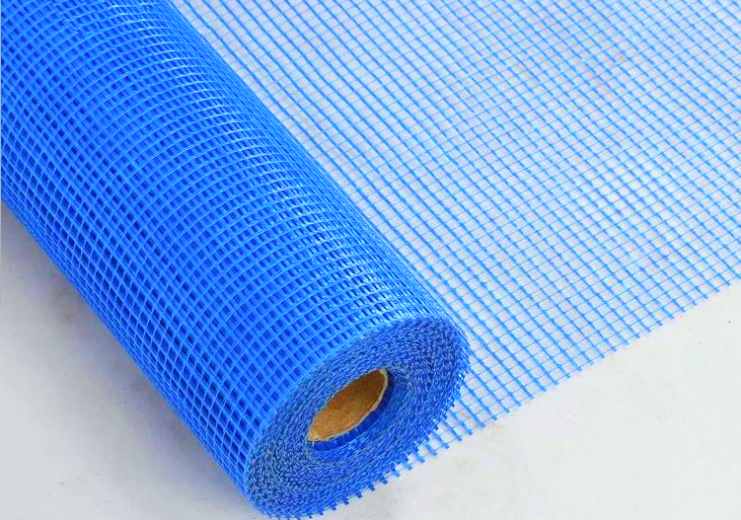
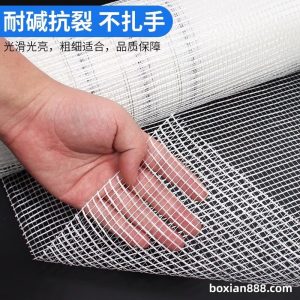
Fiberglass mesh is a reinforcing material made from fiberglass yarn that is coated with an alkali-resistant polymer emulsion. The weaving process creates a uniform grid, and the coating provides protection against alkali. This allows the mesh to perform reliably for a long time in alkaline environments like cement mortar.
The market offers many brands with varying quality. Choosing the wrong product can lead to wall cracks, material failure, or even safety risks. Use these five key points to make a smart purchase.
Quality mesh must comply with national standard specifications for fiberglass mesh. In China, the main standards are JC/T 841 “Fiberglass Mesh” and technical specifications for exterior insulation. Key indicators include:
Always ask for the product test report. Ensure the alkali-resistant strength retention rate is ≥75%.
A responsible fiberglass mesh manufacturer provides certified products and can offer custom solutions. When evaluating a supplier, consider if they:
Different projects need specific mesh types:
Using detailed search terms can help you find the right products and suppliers faster:
Q1: What is the difference between national standard fiberglass mesh and non-standard products?
A: National standard products have strict minimum requirements for alkali resistance and tensile strength, ensuring long-term durability. Non-standard products often have poor coating and low alkali resistance, which can lead to wall cracks.
Q2: Is there a simple way to test mesh quality?
A: You can soak a sample in cement slurry or an alkaline solution for 7 days, then test its tensile strength. Higher strength retention indicates better quality. You can also rub the mesh to see if the coating powders off easily.
Q3: Which fiberglass mesh manufacturers are reputable?
A: Look for manufacturers with over 10 years of experience, ISO certification, and a track record of supplying large, well-known projects.
Fiberglass mesh works invisibly within walls, but it plays a vital role in a building’s durability and safety. When making a choice, remember three principles: always choose products that meet national standards, buy from a professional manufacturer, and pay close attention to the core specifications. As urban renewal and green building continue to grow, this “invisible armor” will play an increasingly important role in creating safe and lasting structures.
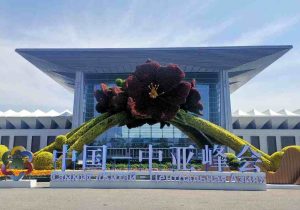
聚焦中国-中亚峰会基建合作机遇,优质玻纤网格布厂家分享玻璃纤维纱、无捻粗纱等建材出口新路径,助力“一带一路”工程建设。这种“技术+产能”双输出模式,使优质玻纤网格布生产商成为中亚供应链的关键环节。
查看全文