 Hebei Jiacheng Fiberglass Products Co., Ltd
全站搜索
Search the entire website
整站搜索产品中心新闻中心
点击开始搜索
热门搜索
玻纤纱系列网格布系列产品无捻粗纱三防布系列破斜纹鱼竿布其他玻纤制品
Search the entire website
Professional escort, your trusted choice
From residential renovations to municipal upgrades, national standard specification fiberglass mesh has quietly become an essential component in modern construction. Often hidden beneath plaster or within walls, this material acts as a “soft reinforcement” – much like steel rebar but for surface layers. Its primary role is to prevent cracking, improve durability, and ensure long‑term structural integrity.
Fiberglass mesh is a net‑like fabric made from alkali‑resistant glass fibers. It is coated to withstand alkaline environments found in cement and plaster. The result is a high‑strength, dimensionally stable material that resists aging and chemical attack. When embedded in mortar or concrete, it distributes stress evenly and minimizes surface cracks, making it an indispensable component in modern building systems.
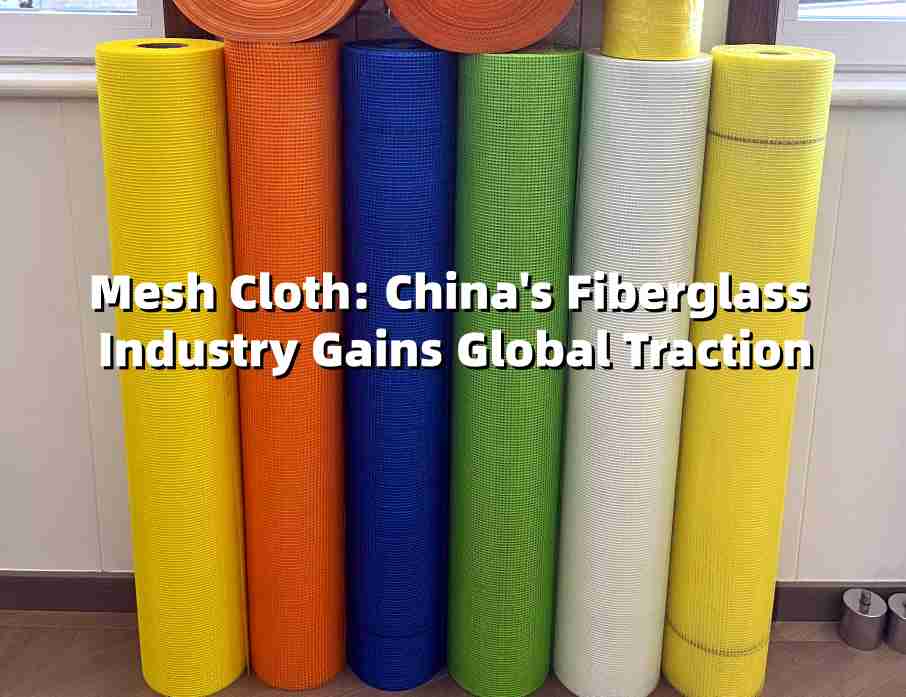
In China, large‑scale upgrades of aging residential areas are underway. Local housing authorities now mandate the use of alkali‑resistant fiberglass mesh in exterior insulation and interior plastering. The combination of fiberglass mesh and anti‑crack mortar locks the render in place, significantly reducing the risk of hollowing, peeling, and cracking. Projects in cities like Harbin and Shanghai have adopted this as a standard practice, ensuring that renewed façades remain safe and durable for decades.
New construction of affordable and resettlement homes also relies heavily on fiberglass mesh. In Jinan and Qingdao, for example, developers use a dual‑layer system combining fiberglass mesh with steel wire mesh in floors and walls. This approach boosts crack resistance and addresses common quality issues before they occur. It reflects a broader commitment to delivering homes that residents can trust.
Beyond buildings, fiberglass mesh plays a vital role in transportation and infrastructure. In road “white‑to‑black” conversions, it suppresses reflective cracks and extends pavement life. In underground utility tunnels and sewer rehabilitation, it enhances structural toughness, protecting the city’s “lifelines.” Major projects like the Shantou river‑crossing pipe repair and Xiong’an New Area infrastructure all specify national standard specification fiberglass mesh to meet extreme service conditions.
With growing demand for green and resilient construction, selecting a reliable fiberglass mesh manufacturer is crucial. High‑quality mesh must meet national standard specifications for alkali resistance, mesh size uniformity, and tensile strength. When sourcing, look for manufacturers with certified testing reports and proven track records in large‑scale projects. Keywords like “alkali‑resistant fiberglass mesh supplier,” “external wall insulation mesh specifications,” and “anti‑crack mesh manufacturer direct sales” can help you find trusted partners.
Though invisible in the finished structure, fiberglass mesh is a key determinant of a building’s lifespan and safety. It is non‑toxic, non‑combustible, easy to install, and cost‑effective – perfectly aligned with today’s green and low‑carbon trends. From old communities to new high‑rises, from roads to underground networks, this “invisible armor” quietly safeguards millions of homes. As urban renewal accelerates, its role will only grow, delivering reliable protection for every family.