 Hebei Jiacheng Fiberglass Products Co., Ltd
全站搜索
Search the entire website
整站搜索产品中心新闻中心
点击开始搜索
热门搜索
玻纤纱系列网格布系列产品无捻粗纱三防布系列破斜纹鱼竿布其他玻纤制品
Search the entire website
Professional escort, your trusted choice
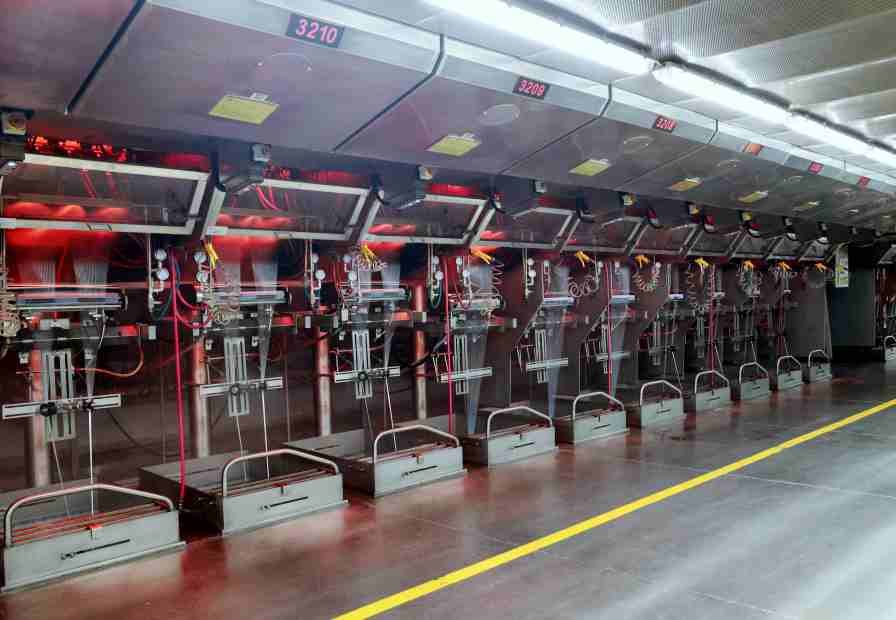
How can traditional fiberglass enterprises transform? When executives from a glass fiber grid cloth manufacturer explored AI at an industry summit, they faced common challenges in traditional manufacturing. This guide provides a practical combat path from AI obstacles to a functional smart factory.
STEP 1: Focus on High-Value Scenarios
Start with areas where data is more accessible:
STEP 2: Build a Solid Data Foundation
STEP 3: Validate with Small-Scale Pilots
One manufacturer’s pilot results:
STEP 4: Avoid Vendor Pitfalls
Beware of “one-size-fits-all” solutions:
STEP 5: Develop Talent In-House
Cost-effective training:
| Traditional Pitfall | Solution | Case Study |
|---|---|---|
| Aiming for “full smartness” | Start with single-point breakthroughs like inspection | One factory achieved 230% ROI on AI inspection |
| Relying only on external IT | Grow internal “AI translator” roles | Process engineers learning Python |
| Neglecting data management | Treat production data as an asset | Build a database for fiber drawing parameters |
For a glass fiber grid cloth plant, using AI to reduce fiber breakage by 18% saves costs. It also builds a reputation for reliable supply in competitive markets like wind energy.
The core of smart upgrading is transforming experienced craftsmanship into scalable digital assets.
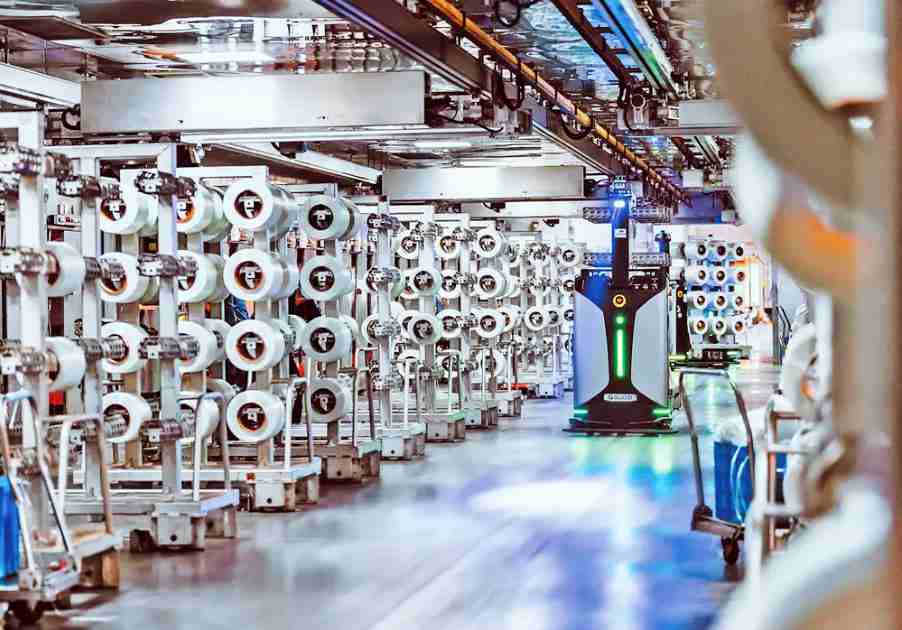
This article explores the progress of cooperation between China and SCO countries in infrastructure, green building, and education. It analyzes new opportunities for the fiberglass industry and fiberglass mesh manufacturers, covering keywords such...
查看全文