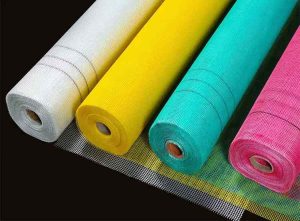
Wall Meshing: A Must-Do or a Scam? The Truth Revealed.
During renovation, “wall meshing” is a common term. Some say it’s essential to prevent cracks. Others argue it’s a waste of money. So, what is the truth about wall meshing? This guide explains its real purpose and where it is truly needed. We will help you avoid unnecessary costs and protect your walls.
What is Wall Meshing’s Real Purpose?
Think of wall meshing as a “bandage” for your walls. It strengthens the plaster layer. Its core functions are clear:
- Disperse Stress. Different materials, like concrete and brick, expand and contract at different rates. This causes stress. Wall meshing spreads this stress out. It prevents cracks from forming at these weak junctions.
- Increase Strength. Walls in high-rises may settle over time. Some walls are lightweight and absorb water quickly. The mesh holds the plaster together. It makes the wall surface stronger and more durable.
It is a cost-effective prevention method. A roll of mesh costs around $10-15. Preventing cracks is much cheaper than repairing them later.
Whole-House Application? Don’t Waste Your Money!
Some contractors may scare you. They might say, “Without whole-house meshing, your paint will crack.” This can cost you thousands extra. This is a common trap. Remember, even reinforced concrete can crack. A thin layer of mesh cannot guarantee a crack-free wall. Whole-house wall meshing is often an unnecessary upgrade. Save your budget for more critical work.
Spend Smart: 6 Key Areas That Need Reinforcement
The key is strategic prevention. Focus your resources on these six high-risk areas:
- Junctions Between New and Old Walls
This is the most critical area. Cracks often appear where different materials or structures meet. Always install mesh on both sides of the joint. This binds the old and new walls together securely.
- Areas Where Electrical or Plumbing Lines Are Buried
Chasing grooves into a wall weakens its structure. After filling the channels, apply fiberglass mesh over them. This simple step effectively prevents cracks along the repaired lines.
- Lightweight Walls
Lightweight walls are very porous. They can suck moisture out of the plaster, causing it to crack and peel. Applying mesh before plastering creates a stable base. This is crucial, especially if you plan to install tiles.
- Drywall Joints on Ceilings and Walls
The seams between drywall panels are flexible. Movement and vibration can easily cause cracks. Taping and applying mesh over these joints is a standard, non-negotiable practice.
- Corners of Door and Window Openings
Stress concentrates around the corners of openings. Applying mesh reinforces these corners. It is a simple and effective way to prevent future hairline cracks.
- Kitchen Ventilation Duct (Fume Hood)
This is often forgotten. The kitchen duct is thin and experiences constant heat cycles. It expands and contracts frequently. To prevent cracks and smoke leaks, reinforce it with a steel mesh and a cement plaster layer.
Conclusion: Be Smart About Wall Meshing
- Purpose: Wall meshing is a cost-effective method for crack prevention.
- Scope: Avoid whole-house meshing. Focus only on the six critical areas listed above.
- Final Tip: Always specify the exact locations for meshing in your contract. This prevents unexpected costs and ensures key areas are properly reinforced.
Spend your renovation budget wisely. Understanding the true purpose of wall meshing allows you to make smart decisions. Protect your walls where it matters most and avoid unnecessary expenses.
 Hebei Jiacheng Fiberglass Products Co., Ltd