 Hebei Jiacheng Fiberglass Products Co., Ltd
全站搜索
Search the entire website
整站搜索产品中心新闻中心
点击开始搜索
热门搜索
玻纤纱系列网格布系列产品无捻粗纱三防布系列破斜纹鱼竿布其他玻纤制品
Search the entire website
Professional escort, your trusted choice
In the rapidly evolving intelligent economy, artificial intelligence is profoundly reshaping global industrial landscapes. Computational power is gradually replacing traditional labor as a core factor in pricing, while emotional consumption and generational shifts are driving structural changes in consumer markets. Cross-industry integration and global collaboration are opening new pathways for economic growth. Against this backdrop, traditional manufacturing sectors such as the fiberglass industry are encountering significant opportunities for intelligent transformation.
In the traditional economy, the pricing of products like alkali-Resistant Epoxy Reinforced Fiberglass Mesh was largely influenced by raw material costs, labor, and supply-demand dynamics. In the intelligent economy, however, a “compute-based pricing” mechanism is steadily permeating manufacturing sectors.
Mesh manufacturers are adopting AI-powered quality inspection, intelligent production scheduling, and dynamic inventory management systems, substantially reducing production costs and improving yield rates. Investment in computational resources is becoming a key determinant of market competitiveness for fiberglass products.
Beyond traditional cost-performance considerations, consumers are increasingly concerned with sustainability, customization, and emotional brand connections.
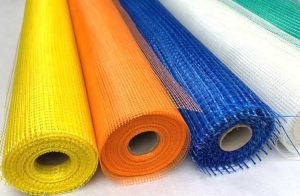
As a crucial material for building insulation and crack prevention, alkaline resistant fiberglass mesh cloth is in demand not only for infrastructure but also for its role in safety, environmental protection, and aesthetics. Leading mesh manufacturers are now using digital tools to better understand consumer sentiment and deliver products that excel in both functionality and experience.
Smart manufacturing, IoT, and big data analytics are being deeply integrated into the fiberglass industry. By implementing an “AI+ manufacturing” strategy, many fiberglass enterprises have achieved end-to-end intelligent management—from glass drawing and weaving to coating and finishing.
Industrial synergy is amplifying benefits: for example, fiberglass mesh is increasingly used in smart buildings and new infrastructure projects, creating cross-sector win-win ecosystems.
As a major producer and exporter of fiberglass, China boasts a complete industrial chain from raw materials to finished products. Supported by the national “AI+” initiative, domestic intelligent fiberglass mesh manufacturer are strengthening technical collaboration and market expansion with international partners, elevating Chinese-made fiberglass products toward premium and branded positioning.
The industry is also gradually establishing data- and intelligence-driven quality standards and traceability systems.
National investments in AI chips, computing centers, and industry-specific large models provide strong support for traditional manufacturing sectors like fiberglass. A growing number of mesh manufacturers are establishing AI R&D teams to pursue innovation in material simulation and process optimization.
Through partnerships with universities and research institutes, companies are cultivating talent in composite materials and intelligent manufacturing, fostering a new multidisciplinary workforce.
The intelligent economy is not merely a technological revolution—it is a restructuring of industrial ecosystems. The fiberglass industry, a representative traditional materials sector, is being propelled by multiple forces—AI, computational pricing, emotional consumption, and industrial convergence—toward a more efficient, sustainable, and intelligent future.
Moving forward, fiberglass mesh manufacturers should actively embrace “AI+” strategies, accelerate digital transformation, and expand into global markets to achieve sustainable and high-quality growth.